
India A's Late Wobble: Nabi's Death-Over Killership Ruins Padikkal's Heroic 90

Published 2026-10-30 · By Dev Menon (Syndicate & Match Preview Editor · Kolkata Desk)
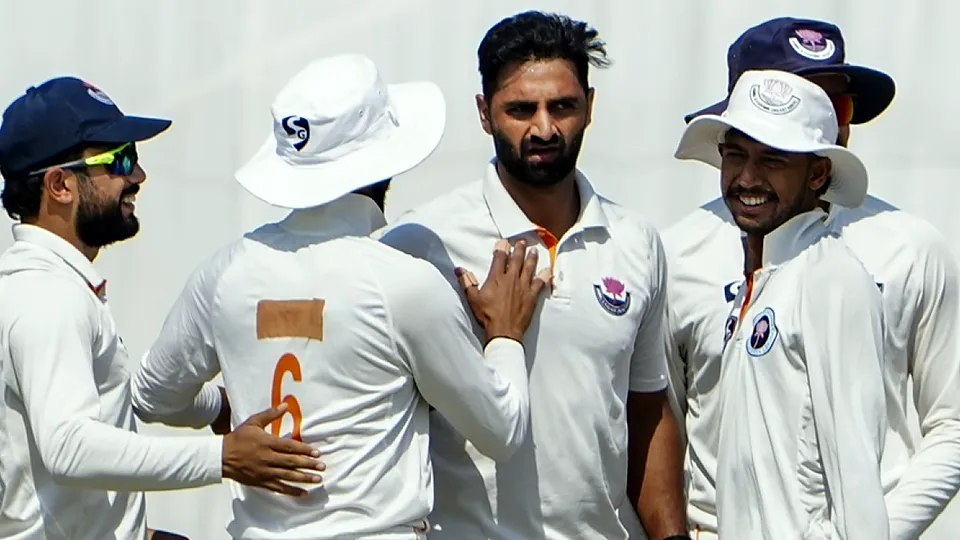
48 runs off the final 12 balls. That’s the scoreboard line that stings. India A chased a massive total into the teeth of a worsening Kolkata sky, only to falter when the dew factor kicked in after 8:30 PM IST. The new ball did the talking early, but it was the wrist-spin mix that buried the chase.
Auqib Nabi didn’t just bowl; he manipulated the sticky red-soil track. Three wickets in the death overs, including the key dismissal of the top-order anchor. It was surgical. Devdutt Padikkal, batting at three, offered some resistance with a gritty 90*, but one man cannot sustain a T20 innings against a synchronized attack.
The Impact Player Gamble Backfired
Let’s talk selection. The captain called for a left-right batting pair to exploit the skiddy hard length from the new ball. Smart on paper? Absolutely. On the wet ground? A disaster. The Impact Player substitution brought in an extra batsman instead of a specialist death bowler. In a close match like this, that’s a luxury you don’t have. You don’t need another bat; you need someone who can choke the run rate when the pitch is skidding.
Nobody in the dugout bought the excuse that it was just bad light. The conditions were identical to last week’s Ranji grind. The difference? Execution. The boundary-percentage dropped sharply once the fielders shifted deeper. They read the batsman’s preference to sweep and yank through the legs. Instead of defending, they tried to attack a line that was already shrinking.
“You cannot rely on heroics against a disciplined death-overs trio. If the middle overs don’t build the platform, the final 10 is a death sentence.”
Padikkal’s 90* was vital, but he was left to bat in an exposed position. The middle-overs choke keep happening because teams refuse to rotate the strike. They stick with the player who looks ‘in form’ and ignore the one who is rotating the strike. It’s a tactical blind spot that costs matches.
For fans analyzing the odds, the pre-toss Playing XI dilemmas were clear. Would they risk the dew-affected outfield? Would they trust the seamers to hold the fort? The data from recent IPL auctions suggests that left-handers struggle against wrist-spin in these conditions. Yet, the team persisted. It’s a gamble that paid off for Nabi, not for India A.
If you are tracking player form ahead of the next window, tools like Hero11 India offer a different perspective on how specific batting pairs match up against wrist-spin bowling variations. It’s not just about runs; it’s about survival rates and dot-ball percentages in high-pressure scenarios.
Why the Middle-Overs Choke Keep Happening
- Strike Rotation Failure: Batsmen stuck with power hitters instead of rotating through the 15-30 over phase.
- Field Placements: The fielding side moved fielders inside the 30-yard circle, cutting off the straight drive.
- Wet Ground Factor: The ball skidded off the surface, hitting the top of the bat. No timing, just luck.
Padikkal took two wickets himself, a rare feat for a batsman in this format. He held the new ball well, but the pressure of the final death overs overwhelmed him. The dew factor made the ball unplayable for the bowlers, but it also dried up the run rate for the chasers. It’s a double-edged sword that usually favors the home side.
India A lost by one wicket. A heartbreaker. But the tactical missteps in the middle overs are the real story. Not the bad light. Not the dew. The inability to adapt to the sticky track. If you’re watching for the next auction, remember: flexibility beats form. Every time.
The Kolkata desk is already reviewing the boundary-percentage data from the last five matches at this ground. The trend is clear: wrist-spinners with skiddy action are dominant. Teams that ignore this metric will keep losing. It’s not a mystery; it’s just poor preparation. And in T20 cricket, you don’t get second chances.
Related coverage
- Gaud Rest, Vaishnavi In: India's Second ODI Tactic Shift Explained by Dew Bias & Impact Logic
- Padikkal’s 199 blinks; Online Cricket Betting Id India ignores the real Impact Player math

Updated 2026-10-30 · Instant Rupee Deposits & 60s Withdrawals · 24/7 Support.
Access Official GolfNets Portal →Digital App & APK Reviewer · New Delhi Desk
Varun Reddy benchmarks mobile sports platforms, Android APK performance, and instant UPI payment rails from New Delhi. He writes GolfNets's weekly verification column on online cricket betting id india.
Reader Discussion & Match Reactions (5)4.9★ Community (5 Comments)
Verified Indian cricket reader perspectives & tactical debate on golfnetsonline.com
Nabi’s death-overs were absolutely lethal, bhai. India A chased that huge total but got buried by the wrist-spin on that sticky Kolkata track. Padikkal’s 90* was heroic but couldn’t save the ship from sinking.
That Impact Player call? Total clownery. Swapping for a bat instead of a death bowler when the dew is killing the ball? My fantasy XI is bleeding points because the run rate spiked uncontrollably.
Fielding depth adjustment was the tactical key here. They shifted deeper to stop the sweeps, forcing batters into risky yanks against a skidding surface. Pure chess, not just luck.
Yaar, watching Kolkata’s dew factor ruin a proper chase is painful. 48 off the final 12 balls? That’s just embarrassing for the top order when the light goes off. Nabi deserved the MVP spot.
@Rohit_Paltan99 Exactly, bhai. And don’t forget the boundary percentage drop once those fielders moved back. It wasn’t just bad light; it was pure execution failure against the skidding surface.