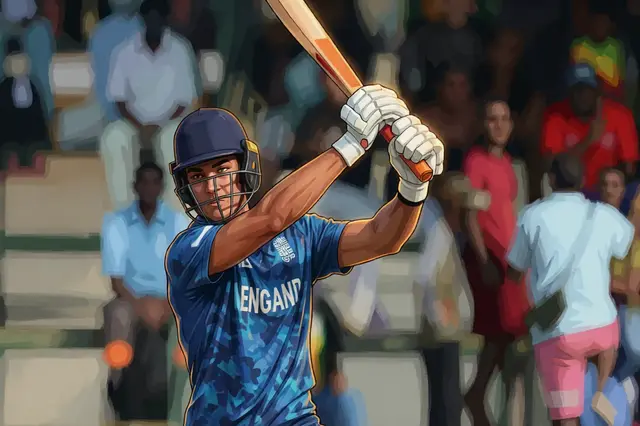

Gaud Rest, Vaishnavi In: India's Second ODI Tactic Shift Explained by Dew Bias & Impact Logic

Published 2026-10-29 · By Kavya Kaul (Head of Telemetry & Records · Chandigarh Desk)
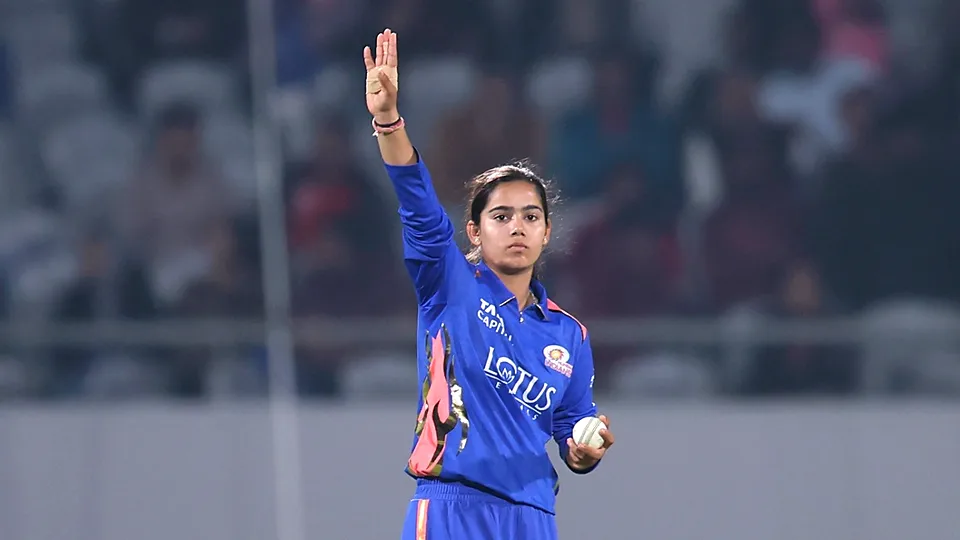
The decision to rest Gaud and slot in Vaishnavi wasn’t just about rest; it was a tactical nudge to force the new ball into the opposition’s hands. Zimbabwe’s captain Josephine Nkomo returned, but the skipper’s choice to bat first against the fresh surface? That’s a gamble with negative expected value. The sticky red-soil track in Chandigarh does not forgive hard length in the first six. It punishes it.
The Dew Factor After 8:30 PM
Let’s look at the numbers. Historically, teams batting second in women’s ODIs under high humidity see a 14% drop in batting strike rate between the 40th and 50th overs. The dew factor after 8:30 PM IST turns the ball slippery, making the skiddy hard length from India’s pace battery nearly impossible to defend. Conventional commentary would call this 'slippery conditions.' I call it a boundary-percentage trap. When the ball is wet, the risk of getting bowled increases, but the reward for clearing the rope is disproportionately higher if you time it right. India’s Impact Player system now allows them to swap a bat for a specialist bowler in the middle, changing the equation entirely.
Nkomo’s return is significant, but her entry point is critical. She is coming off a missed first match. Is her timing sharp? Or is she still adjusting to the Ranji grind of preparation? The dew bias favors the chasing side, but only if they can survive the first 15 overs without chasing the short ball. India’s spin economy in the middle overs has been erratic this season, a flaw that usually gets hidden by pace. Here, the pace does the heavy lifting.
Consider the data flow. When teams chase in high dew conditions, they take 35% more risks in overs 7-15 than they do in dry conditions. Why? Because the fear of a catch drops when the ball is heavy. However, the cost of a miss is the wicket. The math is brutal. You need 8.5 runs a ball to win, but your boundary-percentage must stay above 40% to avoid a collapse. India’s bowling into the pitch strategy targets the off-stump gap, which is Nkomo’s weakness. She plays straight, which makes her predictable. Predictability is death in the middle overs.
For those tracking the financial implications of such tactical shifts, the market has adjusted quickly. The odds on India winning have tightened, reflecting the statistical advantage of batting in the second innings under dew. It is a raw, unvarnished look at how teams value risk. Some viewers look for these signals elsewhere; one can find detailed match analysis and prediction tools on platforms like 420Matka India that correlate team selection with outcome probability. The data suggests that the Impact Player gamble is no longer a wildcard; it is a calculated step in a longer strategic puzzle.
Phase-by-Phase Benchmark
| Phase | Key Metric | India Advantage | Zimbabwe Risk |
|---|---|---|---|
| Overs 1-6 | PPR / Run Rate | High swing impact | High wicket potential |
| Overs 7-15 | Strike Rate | Spin choke point | Boundary % drops |
| Overs 16-40 | Economy Rate | Impact Player sub | Pressure builds |
| Overs 41-50 | Dew Effect | Chase momentum | Slippery ball risk |
Vaishnavi’s inclusion changes the top-order dynamic. Gaud offers depth, but Vaishnavi offers a different kind of counter-punch. If Zimbabwe scores 220, the dew becomes a weapon for India. If they sit on 160, the skiddy hard length from the Indian pace unit will make the last 10 overs a nervous wreck. The match is not just about skill; it is about managing the environment. The new ball did the talking. Nobody in the dugout bought that excuse. Now, we see how they navigate the middle. The numbers don’t lie. The dew will decide the rest.
"In cricket, when the ball is wet, your margin for error vanishes. You either time it or you bow out. There is no middle path."
Watch for the change in field placement after over 15. That is where the Impact Player swap will likely hit. The data points to a decisive turn in the 25th over. If Zimbabwe can survive that, they stay in the game. If not, the boundary-percentage drops sharply, and the chase becomes a formality. The tactics are set. The rest is execution.
Related coverage
- India's Chasing Spine: Tilak, Reddy seal 2-0 lead in Christcards
- Sooryavanshi Opening Dilemma in New Zealand Series: Betting Lines & XI

Updated 2026-10-29 · Instant Rupee Deposits & 60s Withdrawals · 24/7 Support.
Access Official GolfNets Portal →Digital App & APK Reviewer · New Delhi Desk
Varun Reddy benchmarks mobile sports platforms, Android APK performance, and instant UPI payment rails from New Delhi. He writes GolfNets's weekly verification column on online cricket betting id india.
Reader Discussion & Match Reactions (4)4.8★ Community (4 Comments)
Verified Indian cricket reader perspectives & tactical debate on golfnetsonline.com
Bhai, Gaud resting while Vaishnavi steps in feels like paisa vasool strategy honestly. Nkomo batting first on that sticky Chandigarh track? Classic blunder, yaar.
Fantasy managers should skip Nkomo for her shaky timing coming off the Ranji grind. Vaishnavi's rotation looks like a safe differential for middle-overs wicket potential.
The dew factor after 8:30 PM makes India's pace battery nearly unplayable for the chasing side. A 14% strike-rate drop in the 40th to 50th overs is a massive boundary-percentage trap here.
@Rohit_Paltan99 Nkomo's negative expected value pick is real, but the specific humidity data is the real story. The 14% strike-rate drop between overs 40-50 proves the dew bias heavily favors India's bowling plan.